
Therapy for Boundaries
“Fine. I’ll just do it myself.”
It’s costing you more than you think.
Why are boundaries so hard?
If setting boundaries were easy, you would have done it already.
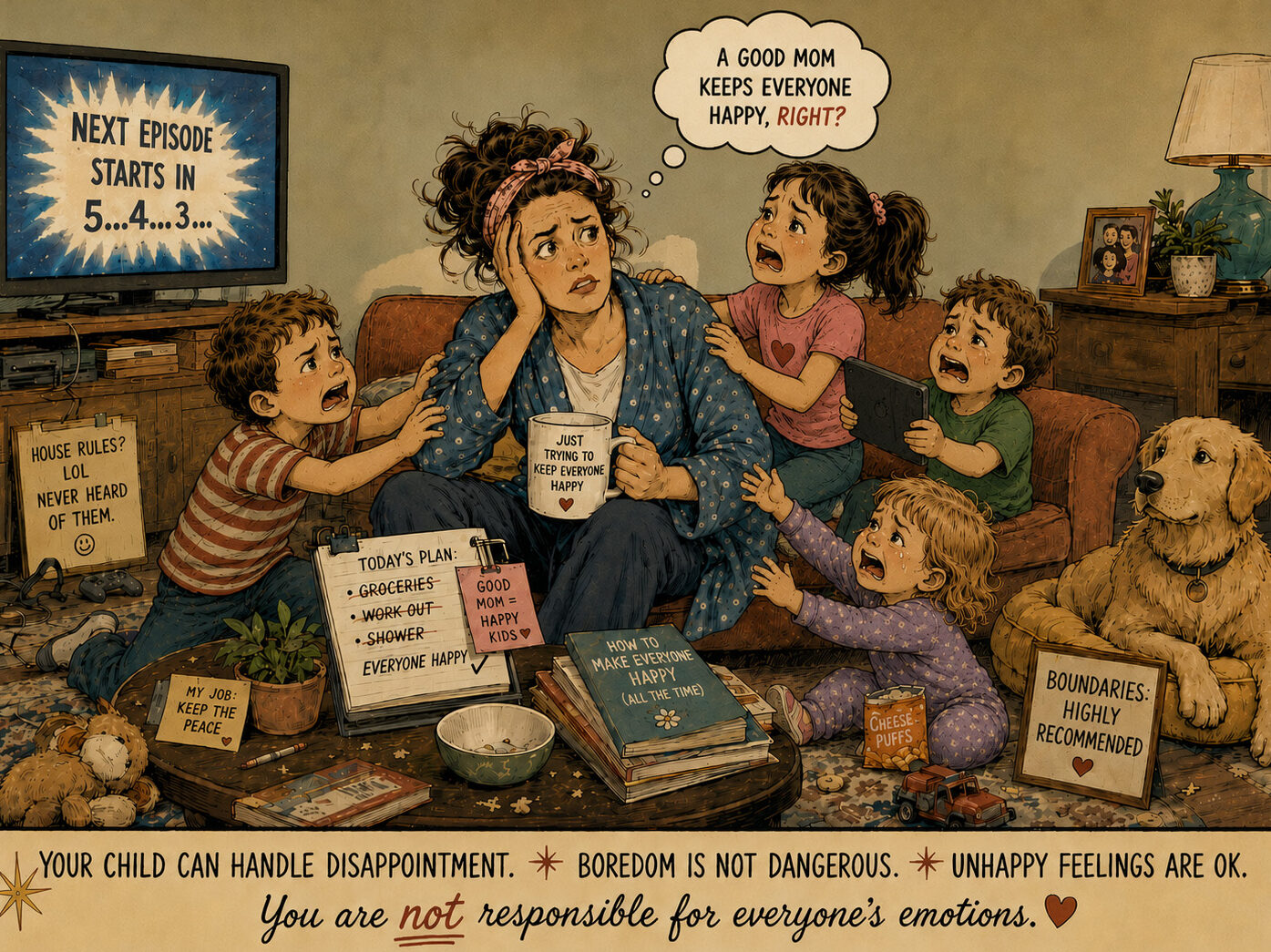
Most of the women I work with aren’t afraid of saying no because they’re weak.
They’re afraid because they’ve spent years believing it’s their job to keep everyone else happy, comfortable, and taken care of.
You’ve become the dependable one.
The helper. The planner. The one everyone calls.
And somewhere along the way, you stopped asking yourself a simple question: What do I actually want?

Many women worry that setting boundaries is selfish. They imagine disappointing someone, creating conflict, or letting people down.
So they say yes. Again. And again. Until they become overwhelmed, resentful, and emotionally exhausted.
Ironically, avoiding those small moments of discomfort often creates much bigger problems later.
Boundaries aren’t about pushing people away. They’re about letting yourself matter, too.
The real cost of people-pleasing
Every time you automatically say yes when you really mean no, you’re sending yourself a message: “Everyone else’s needs come before mine.”
That message adds up.
Over time it can look like burnout, resentment, anxiety, emotional distance in your relationship, and feeling like you’ve completely disappeared inside your own life.
Boundaries aren’t what damage relationships.
Resentment does.
What boundaries actually look like
Boundaries don’t have to be dramatic. Sometimes they’re as simple as:
- Asking for help instead of doing it yourself.
- Letting someone experience the natural consequences of forgetting something.
- Saying, “I can’t today.”
- Choosing not to solve someone else’s problem.
- Allowing yourself to rest without earning it first.
Healthy boundaries create healthier relationships because they allow everyone to take responsibility for themselves.
Boundaries don’t just protect you—they help the people you love.
One of the biggest misconceptions about boundaries is that they’re selfish. They’re not.
Healthy boundaries allow the people around you to grow.
When you constantly rescue, remind, fix, entertain, smooth things over, or manage everyone else’s emotions, you accidentally send the message that they can’t handle life without you.
Over time, people begin depending on you for things they are fully capable of doing themselves. That’s exhausting for you.
And it isn’t particularly good for them either.
Children need opportunities to experience frustration, disappointment, and natural consequences. That’s how they build resilience, confidence, and emotional regulation.
Partners need the opportunity to share the responsibility of running a household—not because they’re incapable, but because relationships work best when two adults are carrying the load together.
There isn’t a trophy for sacrificing yourself the most.
In fact, the more you overfunction, the less opportunity the people around you have to step up.
How therapy can help
Together, we’ll explore why boundaries feel uncomfortable, what beliefs keep you overfunctioning, and how to begin making changes without becoming someone you aren’t.
You don’t have to become cold.
You don’t have to stop caring.
You don’t have to become “selfish.”
We’ll simply help you stop carrying responsibilities that were never yours to begin with.
Because the goal isn’t to build walls. It’s to stop living like everyone else’s well-being depends entirely on you.
Explore more about boundaries

Before you react, pause. Learn a simple, body-based practice for recognizing what a trigger is really asking of you — so your actions come from insight instead of unprocessed fear.

Setting boundaries isn't a nice-to-have — it's a lifeline. Follow this step-by-step guide to get clear on your limits, communicate them with confidence, and protect your peace without guilt.

The world will always have hard news to process — but you don't have to absorb all of it. Learn practical ways to set boundaries with media, protect your energy, and stay grounded without checking out.